Introduction
Wound treatment has actually advanced dramatically throughout the years, transitioning from easy first-aid techniques to intricate administration procedures that call for specialized understanding and abilities. As health care remains to advance, the need for wound treatment https://judahqunp272.image-perth.org/vital-abilities-every-wound-treatment-expert-need-to-master specialists has actually surged, highlighting the importance of effective training programs for registered nurses. This write-up looks into the ins and outs of complex wound care and underscores the requirement for specialized registered nurse training in this important area.
Complex Wound Treatment: Understanding the Need for Specialized Nurse Training
Complex injury care is a detailed method to dealing with wounds that are hard to recover due to various elements such as underlying wellness problems, infection, or poor blood circulation. An injury treatment professional plays a crucial duty in analyzing and managing these kinds of wounds, which usually require complex therapy strategies tailored to specific client needs.
What is Complicated Wound Care?
Complex injury treatment includes a range of therapies made to address non-healing or persistent wounds. Such injuries may include diabetic abscess, stress abscess, venous leg ulcers, and surgical wounds that have come to be contaminated or delayed in their recovery procedure. The complexity develops from numerous adding elements that can impede recovery, demanding a comprehensive understanding of human anatomy, pathology, and progressed therapy modalities.

Why Specialized Registered nurse Training is Essential
Specialized nurse training gears up registered nurses with the expertise and abilities required to give efficient wound care management. Without this training, registered nurses might not fully comprehend the subtleties associated with dealing with complicated wounds.
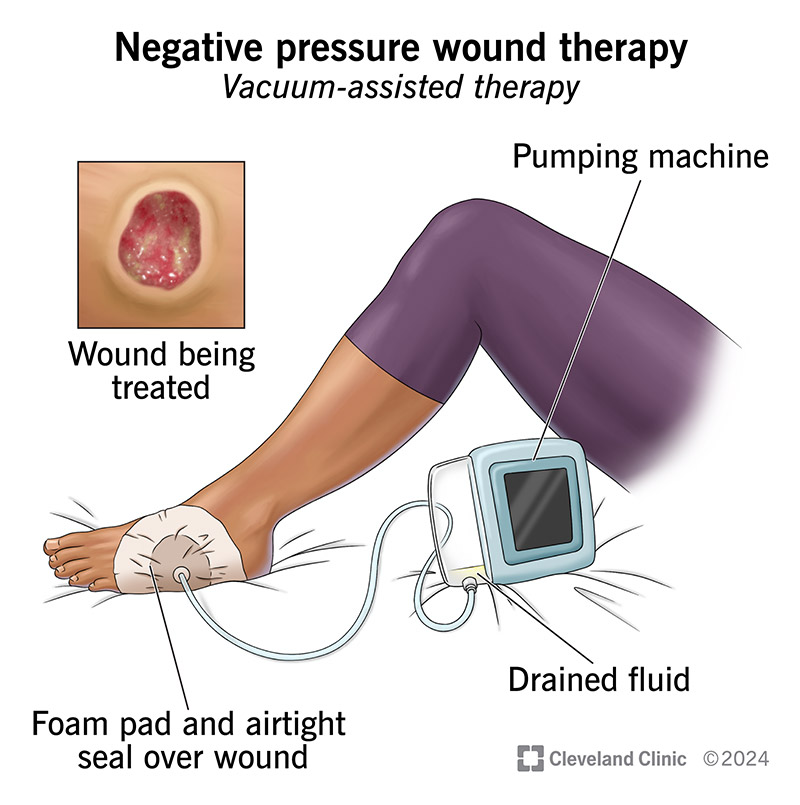
- Understanding Pathophysiology: Nurses learnt wound treatment gain insights right into how numerous medical problems impact skin integrity and recovery processes. Advanced Therapy Techniques: Specialized training presents registered nurses to modern innovations and methods such as negative stress injury treatment (NPWT), bioengineered tissues, and advanced dressings. Patient-Centric Approach: With appropriate training, registered nurses can develop individualized treatment strategies that take into consideration a client's specific conditions-- be it way of living choices or comorbidities.
The Role of Wound Care Specialists
What Does a Wound Treatment Expert Do?
Wound treatment specialists are accountable for analyzing injuries, detecting the underlying causes of non-healing injuries, and implementing ideal therapy methods. They collaborate with interdisciplinary teams to guarantee thorough individual management.
Key Obligations Include:
- Performing comprehensive evaluations of injuries making use of standard tools. Developing personalized treatment strategies based upon evidence-based practices. Educating patients and caregivers about appropriate injury care techniques. Monitoring healing progression and changing treatment strategies as necessary.
Wound Care Educating for Nurses
Importance of Wound Care Training Courses
Investing in wound care training courses is essential for nurses who desire specialize in this area. These programs provide structured learning courses covering critical elements of injury analysis and management.
Types of Wound Care Training Courses
Basic Wound Care Training: Suitable for amateur registered nurses looking for fundamental knowledge. Advanced Wound Care Courses: Designed for seasoned registered nurses aiming to strengthen their expertise. Online Certification Programs: Versatile choices that satisfy active professionals looking for convenience.What Subjects Are Covered?
- Anatomy and physiology related to skin integrity Types of wounds and healing processes Pain administration strategies Infection control measures Documentation standards
Wound Care Nurse Training
Components of Efficient Injury Care Nurse Training
Effective training programs include theoretical knowledge paired with practical applications. Simulation exercises improve crucial thinking abilities while supplying hands-on experience.
Skill Advancement Areas
Proper clothing techniques Assessment skills using devices like the Bates-Jensen Wound Analysis Tool Patient education methodologies Understanding insurance coverage needs related to wound careBenefits of Comprehensive Nurse Educating Programs
Nurses who undergo specialized training record raised self-confidence degrees when taking care of intricate instances, leading to boosted patient outcomes.
Chronic Injury Care Management
Challenges in Chronic Wound Management
Chronic wounds present unique difficulties such as relentless discomfort, infection dangers, and extended recuperation times. Understanding these obstacles is key to efficient management.
Common Sorts of Persistent Injuries Include:
Diabetic Foot Ulcers Pressure Abscess Venous Leg AbscessEach type requires particular interventions based on hidden conditions influencing healing.
Strategies for Efficient Chronic Wound Management
A multi-faceted approach including regular assessments, individual education on lifestyle adjustments (like glucose control), and proper dressing selection is crucial for ideal results.
NDIS Injury Care Considerations
Understanding NDIS (National Disability Insurance Policy Scheme) Requirements
The NDIS supplies assistance services consisting of specialized wound look after individuals dealing with handicaps influencing skin integrity.

Tailoring Solutions Under NDIS
Wound treatment solutions under NDIS must be individualized according to each participant's one-of-a-kind requirements while guaranteeing compliance with governing frameworks leading top quality healthcare delivery.
Key Parts Include:
- Collaboration among healthcare providers Regular assessments associated with funding eligibility Detailed documentation supporting solution provision
Wound Care Administration Frameworks
Evidence-Based Technique Models
Utilizing evidence-based practice designs guarantees that nursing interventions are grounded in research findings demonstrating efficiency in persistent injury management.
Examples Include:
The McGuire Model The TIME Framework (Tissue Management, Swelling & & Infection Control, Wetness Balance & & Side Impact)Both structures stress thorough evaluations leading towards customized interventions aimed at enhancing healing outcomes.
FAQs About Intricate Wound Care
1. What is a complicated wound?
A facility wound is one that has actually stopped working to recover effectively due to underlying problems such as poor blood circulation or infection requiring specific treatment strategies.
2. Why do I require specialized training in injury care?
Specialized training outfits you with crucial expertise relating to sophisticated techniques needed for efficient administration of complex injuries leading toward far better client outcomes.
3. What does a fundamental wound care training course cover?
A standard course covers fundamental ideas such as anatomy pertinent to skin wellness; sorts of injuries; preliminary analysis procedures; and typical dressing techniques.
4. The length of time does it require to complete specialized wound treatment training?
Training duration varies depending on program framework but normally ranges from several weeks up with numerous months entailing both class direction along with sensible components.
5. Can I seek on-line qualifications in injury care?
Yes! Several recognized companies offer online qualification training courses enabling flexibility while still supplying rigorous educational web content related especially towards efficient techniques bordering complex issues within this discipline!
6. What function do registered nurses play in handling persistent wounds?
Nurses perform thorough evaluations while creating customized therapy strategies focusing on protecting against problems related to persistent conditions impacting skin stability overall!
Conclusion
In final thought, complex wound care represents a significant element within nursing practice that requires specialized knowledge gained through targeted education programs especially tailored in the direction of improving capability required when dealing with difficult clinical circumstances entailing clients experiencing extended troubles connected with non-healing injuries! As medical care continues progressing swiftly alongside technological developments-- welcoming high-grade proceeding education and learning opportunities will certainly always remain paramount not just making certain successful end results however likewise fostering specialist growth among dedicated practitioners dedicated towards accomplishing quality within their field!